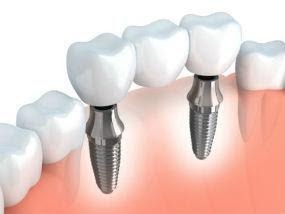
Losing a tooth can affect more than just appearance—it can also impact chewing ability, speech, and overall oral health. Today’s dental advancements offer several effective solutions to restore both function and confidence. One of the most innovative approaches involves the use of implants designed to fit a wide range of bone structures and patient needs.
Dental professionals now often recommend short dental implants for patients who may not have enough bone height for traditional implant placement. These implants are specifically designed to provide stability in areas where bone density is limited, reducing the need for extensive bone grafting procedures. As a result, they offer a less invasive and often faster treatment option while still maintaining strong long-term success rates.
Why Tooth Replacement Matters for Oral Health
Replacing missing teeth is essential not only for aesthetics but also for maintaining the structure of the jaw. When a tooth is lost, the surrounding bone begins to shrink over time due to a lack of stimulation. This can lead to further dental complications, including shifting teeth and changes in bite alignment.
Tooth replacement options such as bridges, dentures, and implants help prevent these issues. Among these, implants are widely considered the most durable and natural-feeling solution. They are anchored directly into the jawbone, mimicking the function of a natural tooth root and helping preserve bone density.
The Benefits of Using Short Dental Implants
Short dental implants have become an increasingly popular choice in modern dentistry due to their versatility and minimally invasive nature. Unlike standard implants, they are designed for patients with reduced bone height in the upper or lower jaw, eliminating the need for complex bone grafting in many cases.
Key Advantages of Short Dental Implants
One of the main benefits is reduced treatment time. Since bone grafting is often unnecessary, patients can move forward with implant placement more quickly. This also means fewer surgical procedures and a more comfortable overall experience.
Another advantage is improved safety in anatomically challenging areas, such as near the sinus cavity or nerves. The shorter design allows dentists to work within limited space while still achieving strong stability and function. Additionally, studies have shown that when properly placed, these implants can perform just as effectively as traditional ones.
Patients also appreciate the faster recovery period. With less invasive surgery involved, healing time is often shorter, allowing individuals to return to normal activities sooner. This makes short implants a practical option for those seeking efficient yet reliable tooth replacement.
What to Expect During the Procedure
The process of receiving dental implants typically begins with a thorough examination, including X-rays or 3D imaging. This helps the dentist determine bone quality and the most suitable implant type. Once a treatment plan is established, the implant is surgically placed into the jawbone.
After placement, a healing period called osseointegration occurs, during which the implant fuses with the bone. This creates a strong foundation for the final crown, bridge, or denture. With proper care, dental implants can last many years and provide a stable, natural-looking smile.
In conclusion, advancements in dental technology have made tooth replacement more accessible and comfortable than ever. Options like short implants continue to expand treatment possibilities, especially for patients who were previously not candidates for traditional implants.